
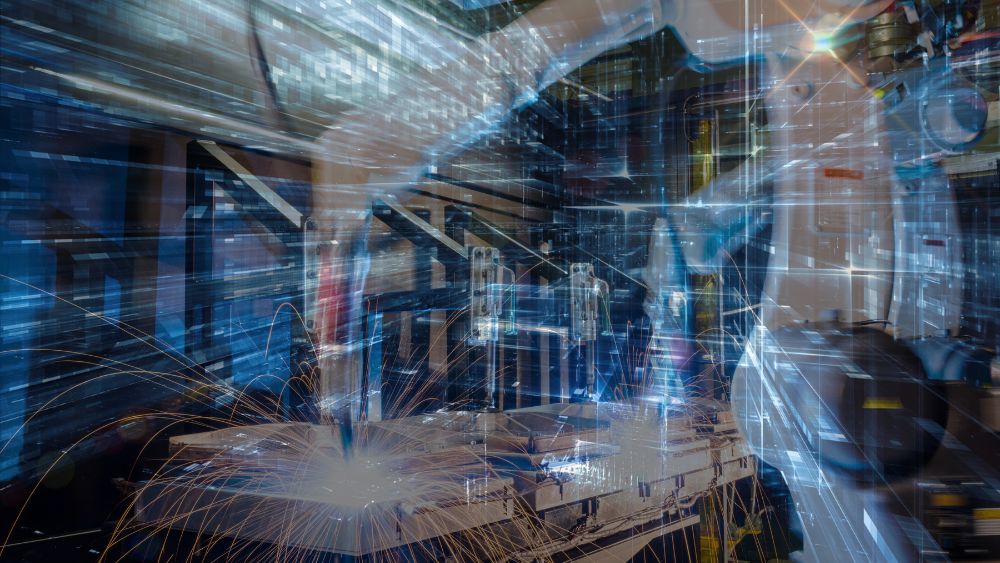
Industries are constantly evolving to meet the demands of a competitive market. One technological advancement that has revolutionized manufacturing is robotic welding. This cutting-edge innovation has become a game-changer, providing numerous benefits to companies across various sectors.
What is Robotic Welding?
Robotic welding involves using programmable robots to perform welding tasks. These robots are equipped with advanced sensors, control systems, and welding equipment, allowing them to execute precise and consistent welds. The use of robotic welding has grown significantly in recent years, thanks to its ability to improve efficiency, quality, and safety in the workplace.
Advantages of Robotic Welding
Applications of Robotic Welding
Robotic welding is widely used in various industries, including automotive, aerospace, construction, and shipbuilding. Here are a few examples of how robotic welding is transforming these sectors:
Opportunities for Jobseekers
At EU-JobCenter, we are committed to bridging the gap between jobseekers and industries in need of skilled professionals. The rise of robotic welding has created numerous opportunities for individuals looking to enter this field. We offer training programs, job placements, and career support to help you excel in this rapidly growing sector. Whether you’re an experienced welder seeking to upskill or a newcomer interested in a rewarding career, EU-JobCenter is here to help you achieve your goals.
Challenges and Future Prospects
Despite its numerous advantages, robotic welding does face some challenges. The initial cost of implementation can be prohibitive for small and medium-sized enterprises (SMEs). Additionally, skilled personnel are required to program and maintain these systems.
However, advancements in artificial intelligence and machine learning are expected to further enhance the capabilities of robotic welding. As technology continues to evolve, we can anticipate more user-friendly and cost-effective solutions, making robotic welding accessible to a broader range of businesses.
Conclusion
Robotic welding is undeniably shaping the future of manufacturing. By embracing this innovative technology, companies can improve their efficiency, quality, and safety, ultimately driving growth and success. As the industry continues to advance, the possibilities for robotic welding are limitless, and its impact on manufacturing will only continue to grow.
At EU-JobCenter, we are proud to support jobseekers in their journey towards a successful career in robotic welding. Join us and be part of the future of manufacturing.